Heidelberg Germany Exquisite Watercolor: A Designer’s Honest Review
First Impressions: A Soft, Romantic Take on a Historic City
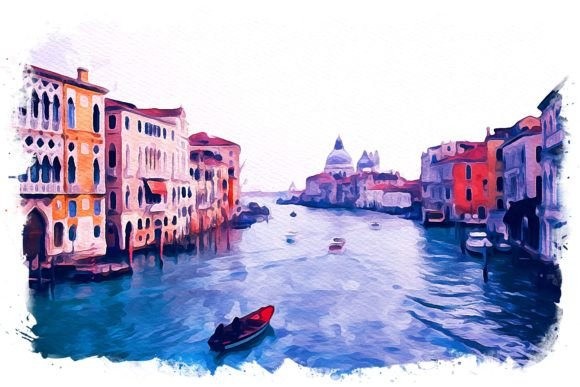
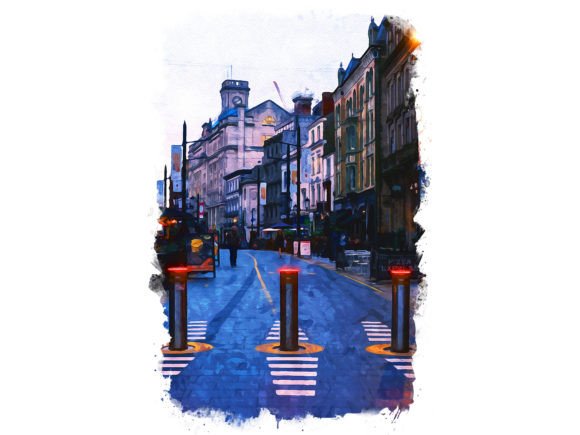
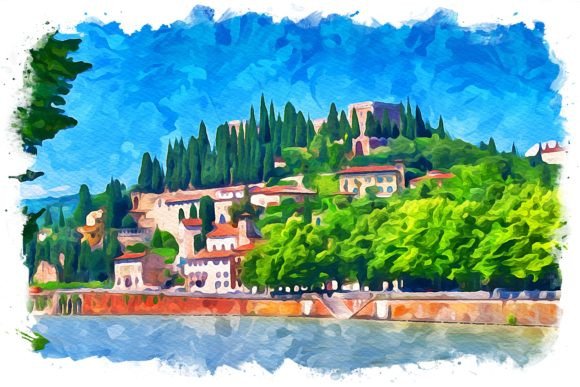
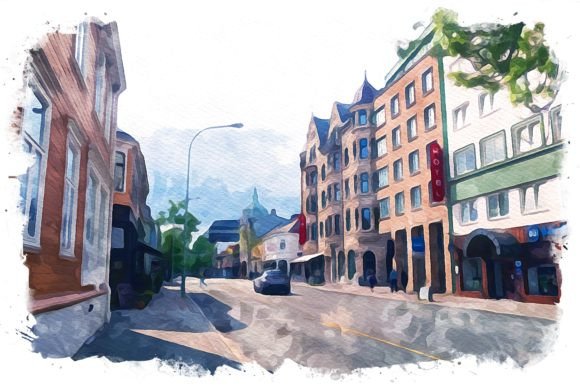
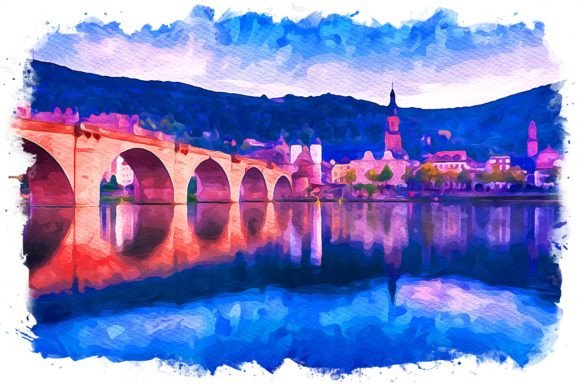
When I first opened the Heidelberg Germany Exquisite Watercolor design, I was struck by its gentle, painterly style. It doesn’t shout for attention—it whispers. The watercolor aesthetic gives it a dreamy, almost nostalgic feel, which is perfect for projects that lean into softness and storytelling. The layout is balanced, with the iconic Heidelberg Castle as the centerpiece, surrounded by soft brushstrokes and subtle gradients that mimic real watercolor textures.
It’s clear this design is meant for more than just decoration—it’s a mood. Whether you're stitching it onto a baby onesie or a boutique tote, this design brings a sense of elegance and quiet charm that’s hard to replicate with bolder, more graphic embroidery styles.
Real-World Use: From Tote Bags to Baby Clothes
I tested the Heidelberg Germany Exquisite Watercolor on a few different materials to get a sense of its versatility. Starting with a medium-weight cotton tote bag, the design stitched out cleanly, with the softer details holding up well. The watercolor textures translated surprisingly well into thread, especially with a moderate stitch density that preserved the design’s airy feel without sacrificing clarity.
Next, I tried it on a baby bodysuit. The delicate lines and subtle shading worked beautifully on the tiny space, especially after reducing the design slightly to fit a 4x4 hoop. The result was sweet, understated, and perfect for a European-themed baby gift set. I’d recommend it for Etsy sellers looking to offer personalized baby items with a touch of sophistication.
When stitched onto a sweatshirt, the design maintained its softness, though I noticed that the background shading could get a bit lost in the texture of the fleece. In that case, I’d suggest opting for a lighter thread shade in the background to help the details pop.
Where to Use It Carefully: Fabric and Fit Matter
While the Heidelberg Germany Exquisite Watercolor design is versatile, it does have its limits. I wouldn’t recommend it for dark fabrics without adjusting the thread colors. The subtle gradients and light strokes can disappear on black or navy backgrounds, especially if the original design doesn’t include contrast adjustments.
Also, be cautious when using it on stretchy fabrics like knits. The fine lines and soft edges can blur or distort if the fabric isn’t stabilized properly. I used a lightweight cutaway stabilizer on the sweatshirt and got much better results than with just a tear-away on a T-shirt.
It’s also not ideal for curved surfaces like caps. The watercolor textures and soft outlines don’t translate well to the rounded, tight space of a cap hoop. You’d lose too much detail and end up with a muddy-looking result. Stick to flat, smooth surfaces for the best outcome.
Impact on Product Appeal and Customer Perception
From a design standpoint, this illustration elevates the perceived value of any finished product. It’s not just a logo or a basic graphic—it tells a story. Whether you’re selling embroidered sweatshirts on Etsy or creating custom tote bags for a boutique, this design adds a layer of artistry that sets your work apart.
Customers respond well to thoughtful, unique designs, and Heidelberg Germany Exquisite Watercolor definitely falls into that category. It’s not trendy—it’s timeless. That makes it great for gift items, especially those with a personal or travel-inspired theme. I can see it being a hit at craft fairs and local markets, especially when paired with high-quality fabrics and clean stitching.
For digital product sellers, this design also works well in printable mockups. The soft watercolor look photographs beautifully and adds a touch of sophistication to your digital listings, helping you attract buyers who appreciate artisanal, handcrafted aesthetics.
Design Notes for Embroidery Professionals
If you’re planning to use this in a machine embroidery design project, here are a few things to keep in mind:
- Test on scrap fabric first—especially if you’re using a textured or stretchy material.
- Check thread color contrast before stitching on dark or busy backgrounds.
- Review stitch density to ensure the watercolor textures remain visible without being too sparse.
- Confirm hoop size compatibility, especially if you’re resizing the design for smaller items like baby clothes.
- Inspect small details like window outlines or brushstroke textures to make sure they hold up after stitching.
- Test in black and white mockups to see how it translates to minimalist or monochrome branding.
- Use proper stabilizer to prevent distortion, especially on stretchy or thin fabrics.
- Verify licensing if you plan to sell the finished product or offer it as a digital embroidery file.
This isn’t a plug-and-play design. It requires a bit more attention than standard clipart-style embroidery files, but the payoff is worth it. If you’re looking to add depth and personality to your handmade product line, this is a solid choice.
Final Thoughts: A Beautiful Fit for the Right Project
In the end, the Heidelberg Germany Exquisite Watercolor design isn’t for every project—but that’s a good thing. It has a specific mood and aesthetic that makes it stand out in a sea of generic embroidery files. Whether you're creating a personalized gift, a boutique-ready custom apparel piece, or a digital printable mockup, this design brings a quiet elegance that’s hard to match.
As with any embroidery project, success comes down to thoughtful execution. Match the design to the right fabric, test it thoroughly, and consider your audience’s expectations. If you do, you’ll find that this design can elevate your work from simple stitching to something truly special.